How Dental Crowns Help Restore the Function of Damaged Teeth
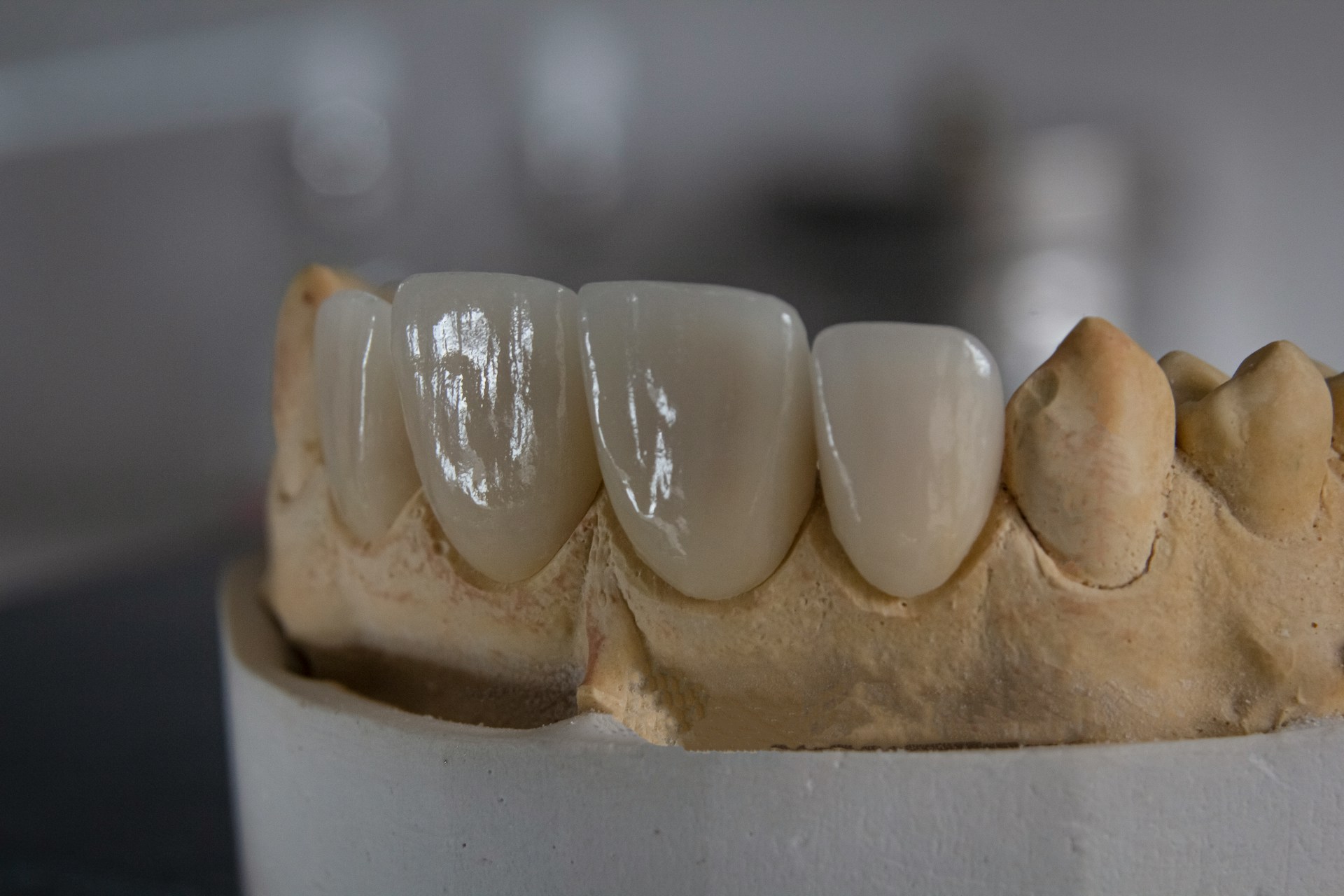
Damaged teeth can make everyday activities such as chewing, speaking, and smiling less comfortable. A tooth weakened by decay, cracks, or extensive dental treatment may also become more vulnerable to further damage. Dental crowns offer a way to cover and protect these teeth while restoring much of their normal function. A crown is a custom-made covering placed over a prepared tooth to improve its strength, shape, and appearance. Although it cannot repair every dental problem, it can be an effective option when a tooth needs more support than a standard filling can provide. Understanding how crowns work helps patients make informed decisions about their dental care.
Understanding How Dental Crowns Work
A dental crown fits over the visible portion of a tooth, covering it above the gumline. It is designed to restore the tooth’s shape and provide protection during normal use. Depending on the material selected, a crown may also closely match the color of surrounding teeth. Dentists may recommend crowns for teeth with large cavities, significant fractures, severe wear, or extensive fillings. A crown may also be placed after root canal treatment when the remaining tooth structure needs additional protection. In some cases, crowns serve as part of a dental bridge or cover an implant-supported replacement tooth. The treatment begins with an examination to assess the tooth, surrounding gums, and supporting structures. The dentist determines whether a crown is suitable or whether another treatment would be more appropriate. This assessment matters because crowns require the removal of some tooth structure and are not easily reversible.
Restoring Chewing Strength and Comfort
One important benefit of a dental crown is improved chewing function. When a tooth becomes weakened or broken, biting into firm foods can cause discomfort or increase the risk of further fractures. A properly fitted crown covers the vulnerable area and helps distribute biting forces across the restored tooth. This added support can make eating more comfortable once the treatment is complete and the patient has adjusted to the restoration. The crown also helps restore the tooth’s original shape, which contributes to effective contact with neighboring teeth during chewing. However, a crown does not make a tooth indestructible. Biting hard objects, chewing ice, or using teeth to open packaging can still cause damage. Patients who grind or clench their teeth may need additional protection, such as a custom night guard. Following the dentist’s recommendations helps preserve the crown and the natural tooth beneath it.
Protecting Weakened Tooth Structure
Teeth can lose strength for several reasons. Extensive decay removes healthy tissue, large fillings leave less natural structure to support biting pressure, and cracks can make a tooth more vulnerable to splitting. A crown covers the remaining tooth and can help hold its weakened structure together during normal function. This protection is particularly important after certain root canal procedures. Although root canal treatment removes infected or damaged tissue from inside a tooth, it does not automatically restore the strength lost through decay or previous damage. A crown may be recommended to reduce the risk of fracture, depending on the tooth’s condition and location. Early assessment is valuable when a tooth develops a crack or begins breaking down. Waiting too long may allow damage to progress and limit treatment options. Still, crowns are not suitable for every severely damaged tooth. If too little healthy structure remains or the supporting tissues are compromised, the dentist may discuss other options.
Choosing Materials for Lasting Performance
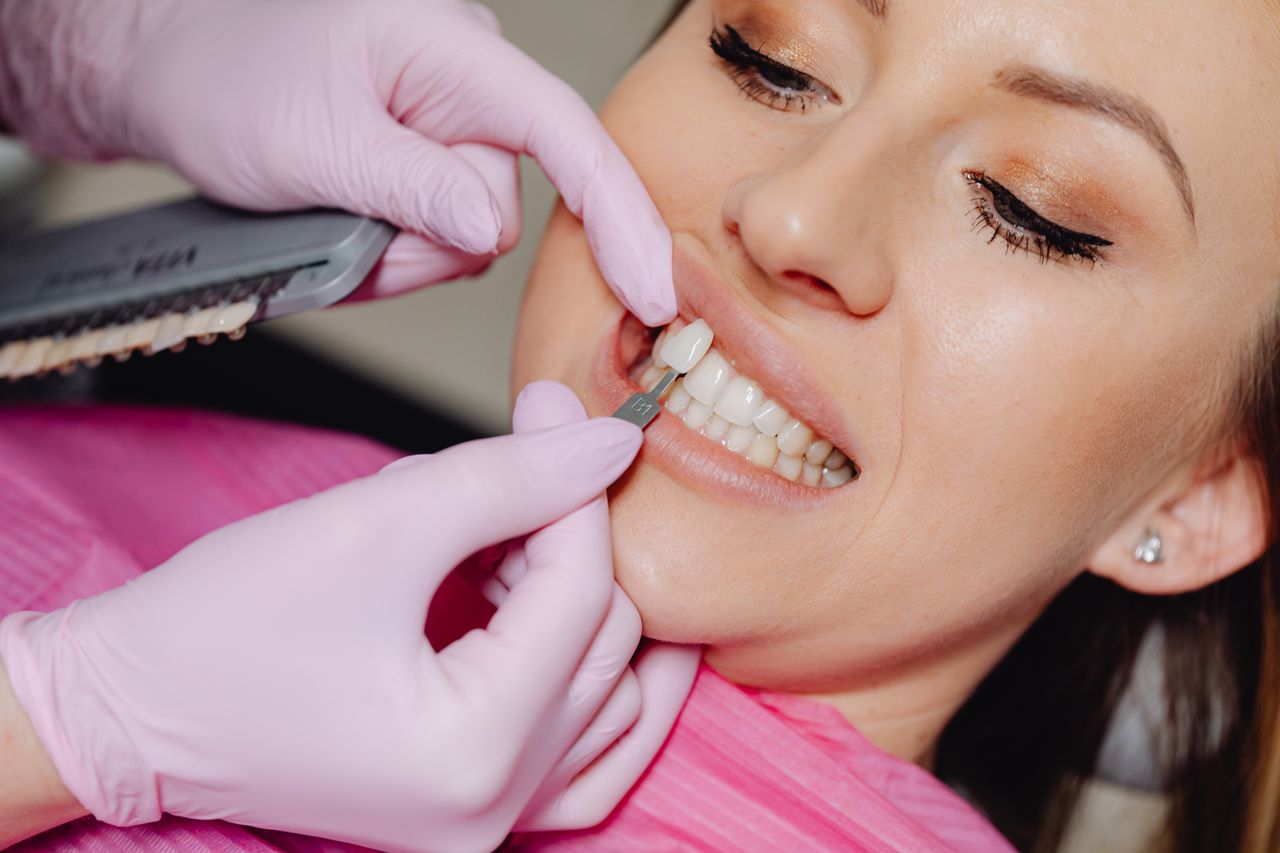
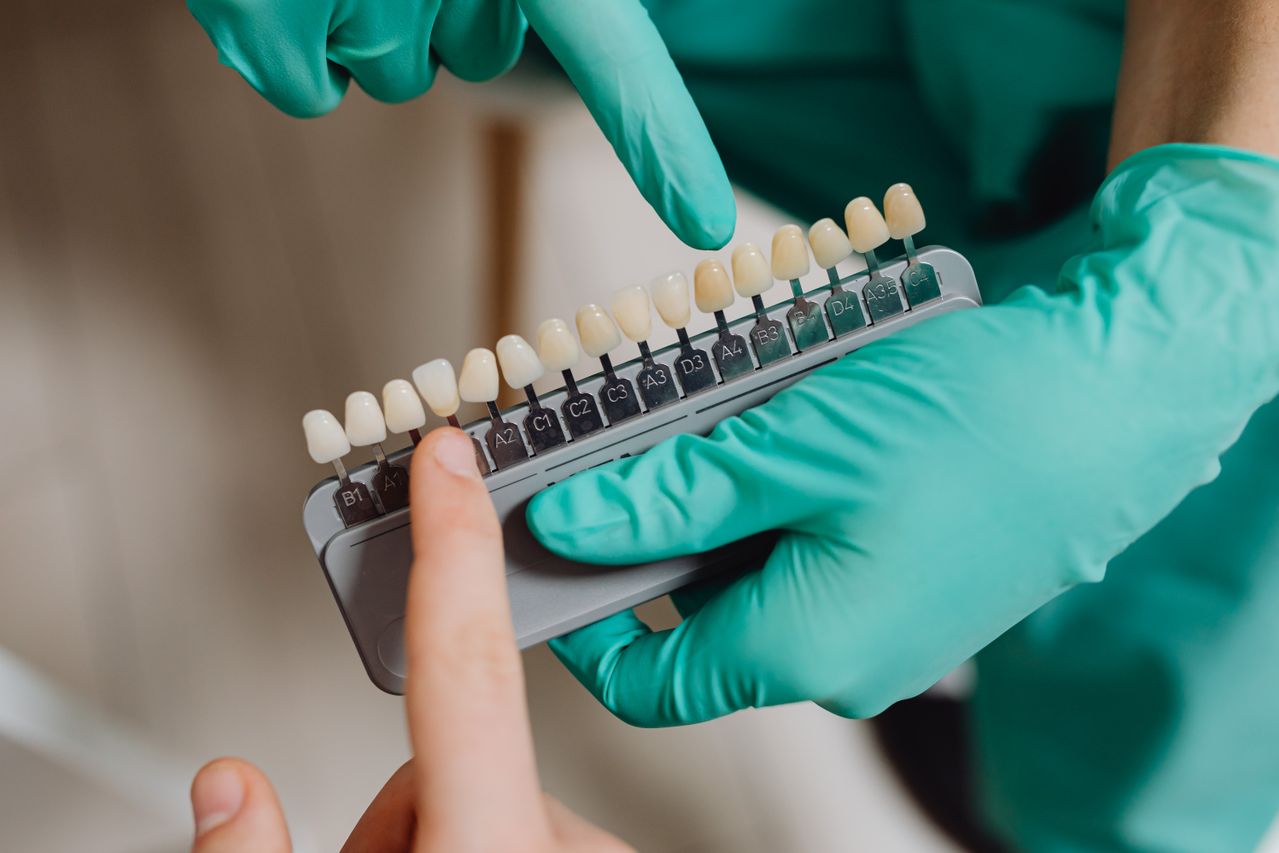
Dental crowns are available in several materials, including ceramic, porcelain-based materials, metal alloys, and combinations of these options. Each offers different benefits, so the right choice depends on the tooth’s location, the amount of biting pressure it receives, aesthetic preferences, and the patient’s dental needs. Ceramic crowns can provide a natural appearance and are often considered for visible teeth. Metal crowns are durable and may be useful for back teeth that handle substantial chewing forces. Porcelain-fused-to-metal crowns combine a metal foundation with a tooth-colored outer layer, although the appearance and performance vary by design. Cost, available materials, allergies, and personal preferences may also affect the decision. Patients should ask their dentist about the expected lifespan, possible limitations, and maintenance requirements of each option. No material is ideal for every situation, and long-term performance depends on both the restoration and the care it receives.
Following the Crown Placement Process
Getting a dental crown usually involves preparation and fitting. During the first appointment, the dentist examines the tooth, removes damaged tissue when necessary, and reshapes the tooth to create space for the crown. An impression or digital scan records the shape of the prepared tooth so the restoration can be made to fit. A temporary crown may protect the tooth while the final version is being produced. At a later appointment, the dentist checks the fit, bite, and appearance before securing the permanent crown. Some clinics offer same-day crowns using digital equipment, depending on the case and available technology. Mild sensitivity or gum tenderness can occur after treatment. Persistent pain, a crown that feels too high when biting, or a loose restoration should be reported to the dentist. Timely adjustments can improve comfort and help prevent further complications.
Dental crowns need consistent care to remain functional. Brushing twice daily with fluoride toothpaste and cleaning between teeth helps limit plaque buildup around the crown’s edges. The natural tooth beneath the restoration can still develop decay, especially near the gumline, so oral hygiene remains essential. Regular dental visits allow the dentist to check the crown, surrounding gums, and bite. Avoid chewing ice or other very hard objects, and follow advice about managing teeth grinding. Sticky foods may also loosen certain restorations, so patients should be mindful of their habits. A dental crown can restore function, protect weakened structure, and improve comfort when selected for the right situation. Its success depends on careful planning, proper placement, and ongoing maintenance. Discussing concerns and treatment options with a dentist helps patients protect their oral health and keep their restored teeth working effectively.